The History of Sopwith Aviation
Est. 1905 – A Legacy of British Innovation
The story of Sopwith Aviation is woven into the very fabric of British engineering heritage. Founded in the early 20th century, Sopwith became one of the most iconic names in aviation, motor engineering and pioneering transport design. The brand’s legacy stretches from the workshop floors of Edwardian Britain to the front lines of two world wars, and into the modern era where its influence still inspires engineering excellence and timeless design.
Early Beginnings (1905–1913)
Sopwith’s origins trace back to 1905, when early aviation enthusiast Thomas Octave Murdoch Sopwith began experimenting with powered flight. At a time when the idea of leaving the ground was still viewed as a daring novelty, Sopwith’s work stood out for its precision, engineering skill and relentless desire to push boundaries. By 1912, he had formally established The Sopwith Aviation Company, laying the foundations for a revolution in British aircraft design.
Rise to Prominence in the First World War
During the First World War, Sopwith Aviation became a name synonymous with reliability, speed, and superior manoeuvrability in the air. Aircraft such as the Sopwith Pup, Sopwith Triplane, and most famously the Sopwith Camel, became legends of the skies — flown by many of the top Allied fighter aces of the era.
The Camel, introduced in 1917, achieved over 1,200 enemy aircraft victories, making it one of the most successful fighter planes of the entire war. Its combination of lightweight engineering, powerful rotary engines, and nimble control cemented Sopwith’s place in aviation history. Pilots often described Sopwith aircraft as responsive, muscular, and built with a craftsman’s touch.
Engineering Beyond Aviation
What set Sopwith apart was not only its mastery of aircraft design but its willingness to innovate beyond aeroplanes. The Sopwith brand expanded into engineering vehicles, experimental prototypes, and transport machinery — embodying a spirit of invention that echoed Britain’s industrial golden age.
This pioneering mindset continues to influence the Sopwith brand of today, now spanning everything from modern automotive concepts to lifestyle products built with the same principles of quality, performance, and unmistakable British character.
Post-War Transition & Legacy
After the war, economic pressures and government policy forced many aviation firms to adapt, and Sopwith Aviation eventually evolved into new entities — most famously Hawker Engineering, which later became Hawker Siddeley, continuing Sopwith’s legacy through iconic aircraft such as the Hurricane, hero of the Battle of Britain.
Though the original company changed form, the Sopwith name never disappeared — preserved through collectors, historians, engineers, and licence holders who kept the heritage alive. Today, the Sopwith legacy thrives in new sectors, honouring its historic roots while pushing forward into modern design, engineering, and premium lifestyle products.
Sopwith Today – Heritage Reborn
In the modern era, Sopwith represents more than a historic aircraft manufacturer. It stands for:
Precision craftsmanship
Engineering excellence
British heritage and innovation
A lifestyle inspired by aviation and adventure
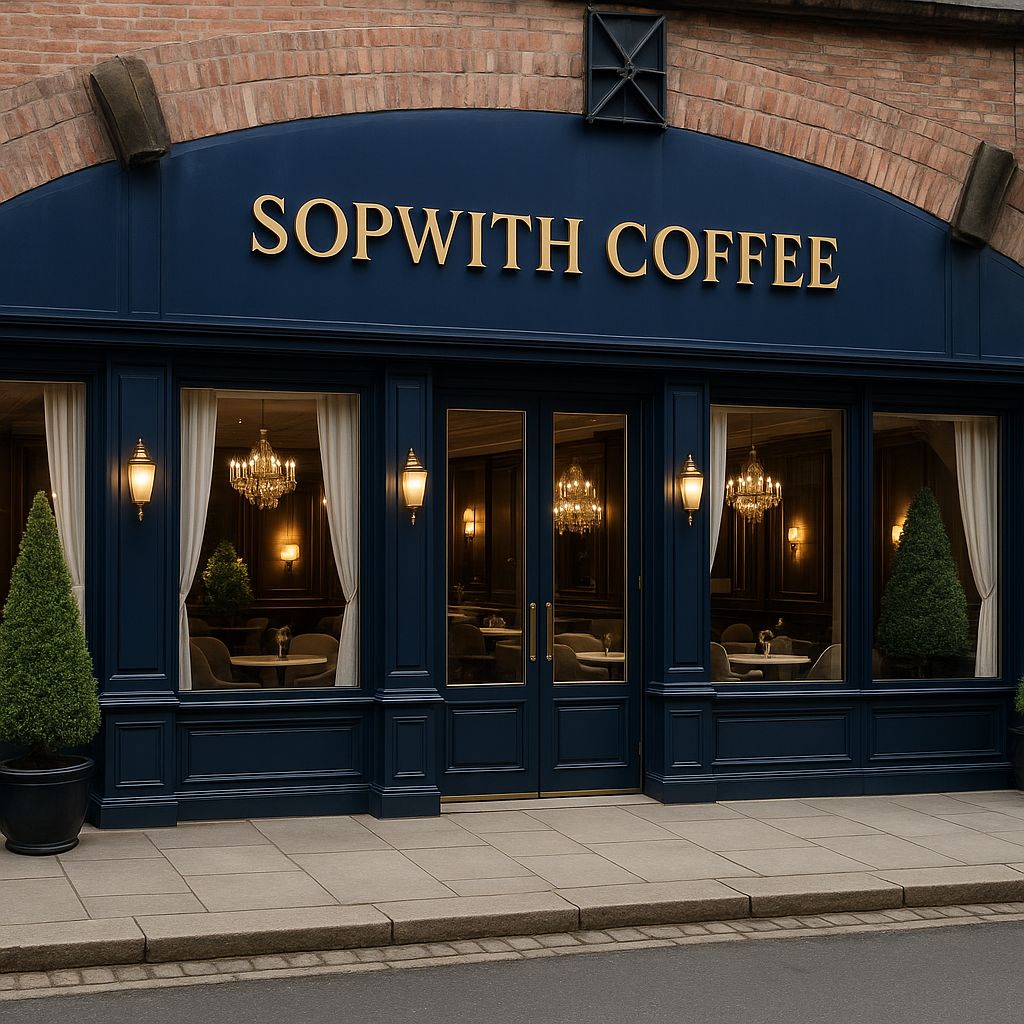
From apparel to coffee, from vehicles to ambitious social-enterprise programmes, the Sopwith name continues to evolve — always grounded in the pioneering spirit that began in 1905.